Trezor.io/start – The Official Guide to Setting Up Your Trezor Wallet
Cryptocurrency gives users full control over their money, but it also requires responsibility. Unlike traditional banks, crypto transactions are irreversible, and losing access to your wallet or private keys can result in permanent loss of funds. Hardware wallets have become the standard for secure crypto storage. Trezor, a pioneer in hardware wallet security, provides an official starting point for setup: Trezor.io/start.
This official page guides users through device initialization, secure software installation, and best practices for protecting digital assets from day one.
What Is Trezor.io/start?
Trezor.io/start is the verified onboarding portal for new Trezor hardware wallet users. It provides step-by-step instructions, official software downloads, and guidance to ensure your wallet is authentic and secure.
Trezor hardware wallets supported include:
Trezor Model T
Trezor One
Using the official page protects users from phishing sites, counterfeit apps, and preconfigured devices that could compromise private keys.
Why a Trezor Hardware Wallet Matters
Storing cryptocurrency on exchanges or online wallets exposes funds to risks like hacks, malware, and server outages. Trezor wallets mitigate these risks by keeping private keys offline. Even when connected to a computer or mobile device, your keys remain secure inside the device.
Benefits of using a Trezor wallet include:
Offline storage of private keys
Open-source firmware for transparency
Manual transaction approval on the device
Supports thousands of cryptocurrencies
Desktop and mobile compatibility
Starting the setup process at Trezor.io/start ensures all these features are properly configured.
Step-by-Step Guide to Setting Up Your Trezor Wallet
Step 1: Access the Official Website
Open a trusted browser and manually enter Trezor.io/start. Avoid clicking links from emails, social media, or advertisements, as fake websites can attempt to steal sensitive information.
Step 2: Install Trezor Suite
Trezor Suite is the official software used to manage your Trezor wallet. It allows you to:
Add and manage cryptocurrency accounts
Install support for specific cryptocurrencies
Send and receive crypto
Track balances and transaction history
Trezor Suite is available for Windows, macOS, Linux, and as a web app for supported browsers.
Step 3: Connect Your Trezor Device
Use the included USB cable to connect your Trezor device to your computer or mobile device. Check that the packaging was sealed to ensure authenticity.
Step 4: Initialize as a New Device
Select “Create a new wallet” in Trezor Suite. This generates new private keys directly on the device, giving you exclusive control over your funds.
Step 5: Set a PIN Code
You will be prompted to create a PIN for security.
PIN best practices:
Avoid simple sequences like 1234
Do not reuse existing PINs
Never share your PIN
Entering the wrong PIN multiple times will reset the device to protect your assets.
Step 6: Record Your Recovery Seed
The Trezor device will generate a 12-, 18-, or 24-word recovery seed, depending on the model. This is the only way to restore your wallet if your device is lost or damaged.
Recovery seed rules:
Write it down on the provided recovery card
Store it in a secure, offline location
Never photograph or store digitally
Never share it with anyone
Your recovery seed is the most critical backup for your wallet.
Step 7: Verify the Recovery Seed
Trezor Suite will ask you to verify your recovery seed by selecting words in the correct order. This ensures that your backup is accurate.
Installing Cryptocurrency Apps
Once setup is complete, you can install apps for individual cryptocurrencies via Trezor Suite. Supported assets include:
Bitcoin (BTC)
Ethereum (ETH)
Litecoin (LTC)
Ripple (XRP)
Cardano (ADA)
Thousands of other tokens
Each app allows transactions to be securely signed directly on the Trezor device, keeping private keys offline and safe from online threats.
Sending and Receiving Crypto
When receiving cryptocurrency, Trezor Suite generates a wallet address that must be verified on the device screen. This prevents malware from modifying addresses.
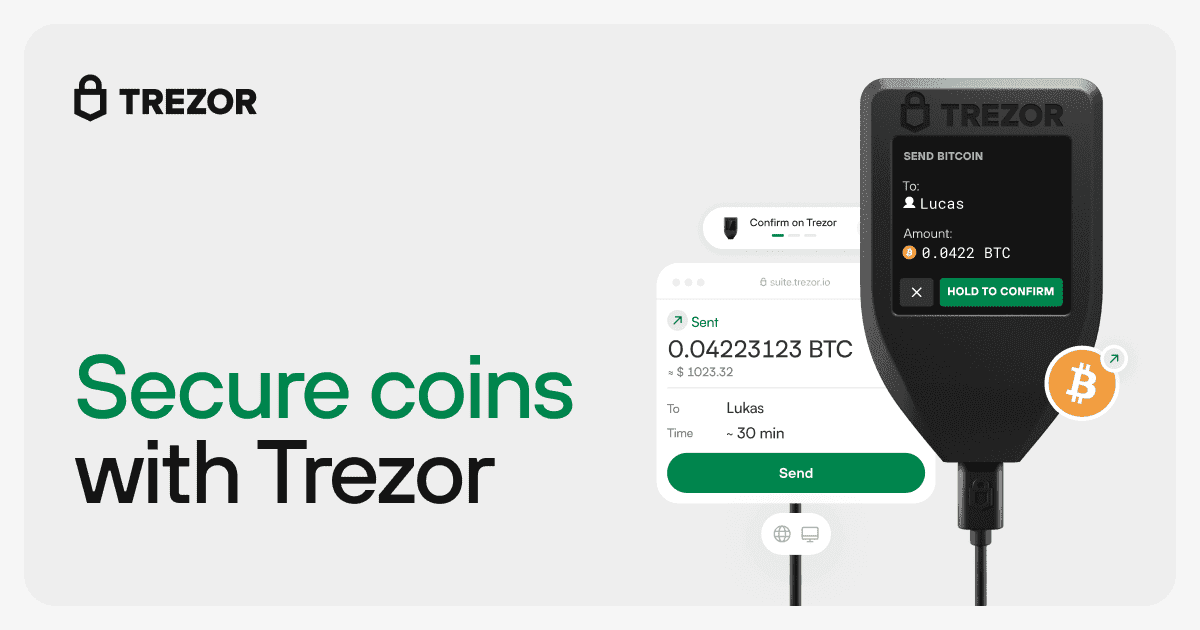
When sending crypto, all transactions require manual confirmation on the Trezor device, ensuring that unauthorized transfers cannot occur even if your computer is compromised.
Common Security Mistakes to Avoid
To maintain the safety of your funds:
Only download Trezor Suite from the official website
Never enter your recovery seed online
Never share your recovery seed
Avoid preconfigured or second-hand devices
Trezor will never ask for your recovery seed.
Maintaining Long-Term Security
Even after setup, keep your wallet secure by:
Keeping Trezor Suite and firmware updated
Using trusted devices and secure networks
Storing recovery seeds in fireproof or metal backups
Avoiding unknown wallets or suspicious apps
Conclusion
Trezor.io/start is the official and safest way to set up a Trezor hardware wallet. By following the step-by-step instructions, users maintain full control over their private keys while minimizing exposure to digital threats.
Whether you are new to cryptocurrency or managing a long-term portfolio, starting at Trezor.io/start provides a secure foundation for managing and protecting your digital assets.